Robinson Restoration is an IICRC-certified mold remediation company serving Vancouver, WA. We find the moisture source first, contain the work area with negative air and HEPA filtration, remove what the water damaged, and verify the space is clean before the containment comes down.
Mold in Vancouver rarely announces itself. It starts under the house or inside a wall during the wet months, and the first sign most people get is a musty smell that shows up every time the furnace runs. By then it's usually been there a while.
Rain here runs from October into May, and the ground under most Vancouver houses never really dries out. Crawlspaces breathe that moisture upward into joists and subfloor. Older homes in the neighborhoods around downtown have plaster walls, minimal insulation, and cold exterior surfaces that condense every winter. Newer subdivisions on the east side are tight, which is good for heating bills and bad for humidity when a bath fan is undersized or a wall cavity gets wet and stays that way.
This is our home region, so Clark County calls get a technician who already knows what the local housing stock hides. We inspect first, meter the surrounding materials, and find the water source before anything gets torn out. Work areas get sealed under containment with negative air and HEPA filtration. After removal and antimicrobial treatment we verify air and surfaces before clearing the space. Every step is photographed and logged for your carrier, and repairs are managed through vetted licensed contractors and our sister companies.

We start with an inspection and a moisture reading, because the growth you can see is rarely the whole footprint in a Vancouver house.
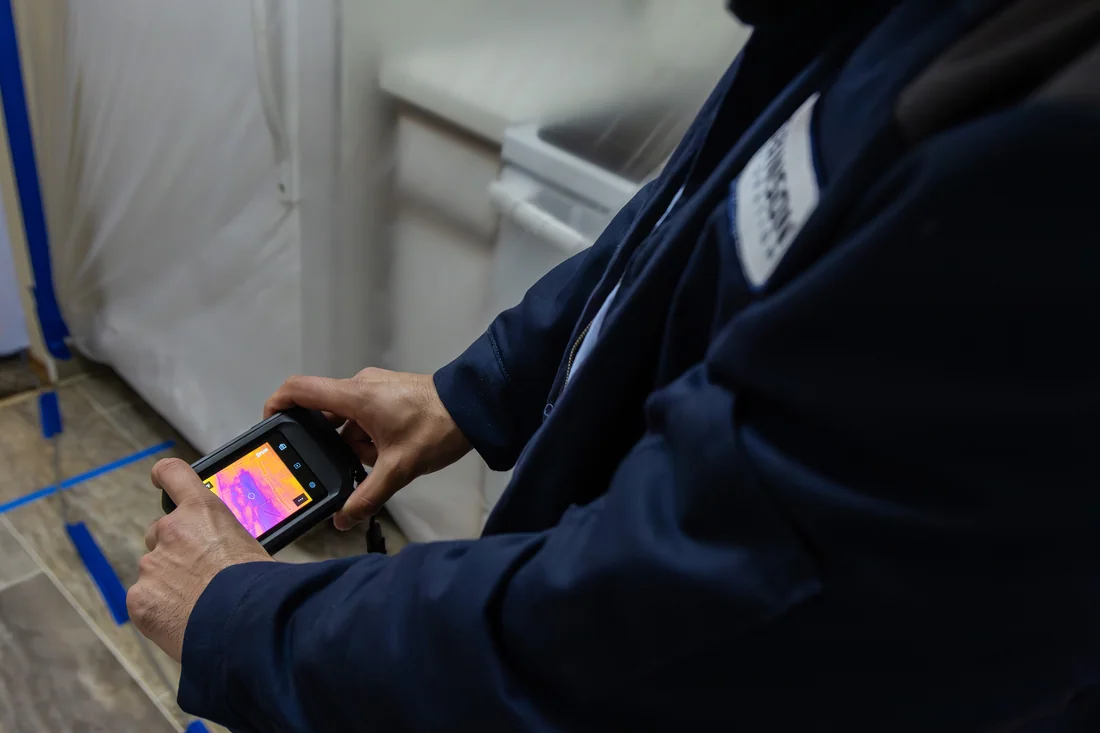
We start with moisture readings and thermal imaging to find the source and map how far growth has spread. Mold you can see is rarely all of it.
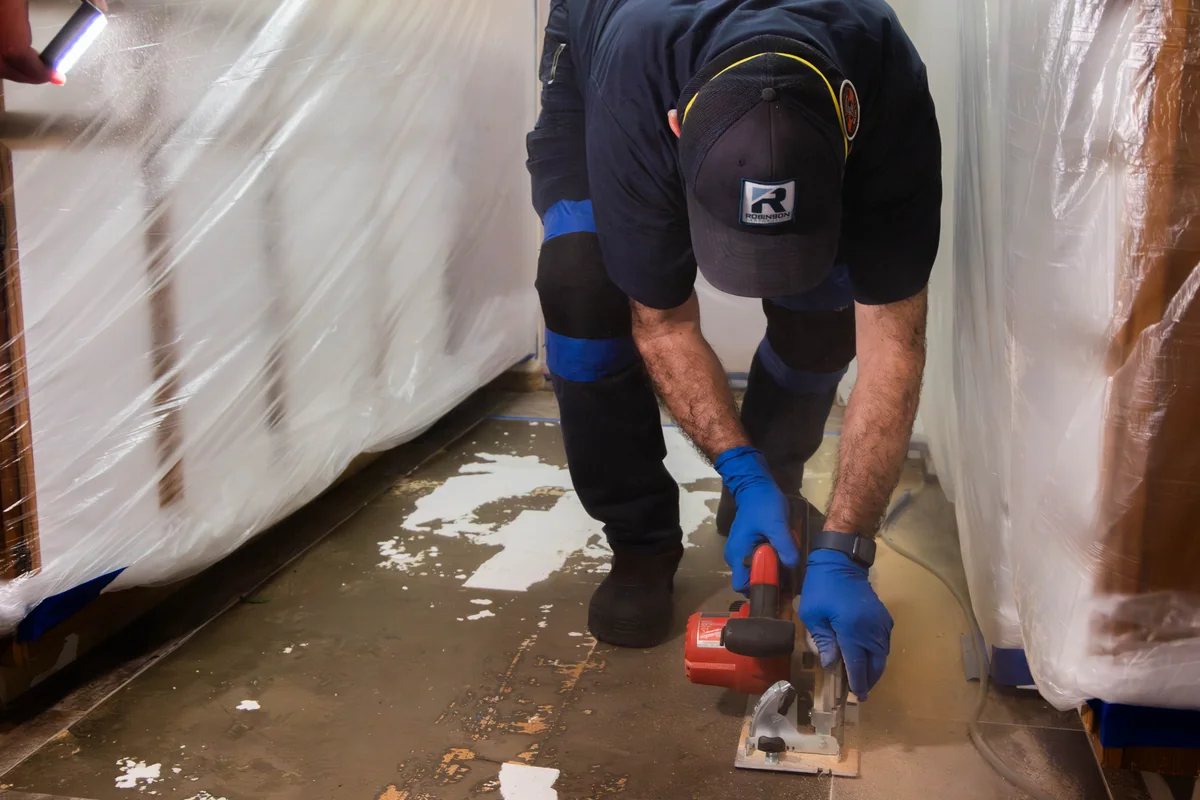
Plastic containment and negative air with HEPA filtration go up before removal starts, so spores never travel to clean rooms while we work.
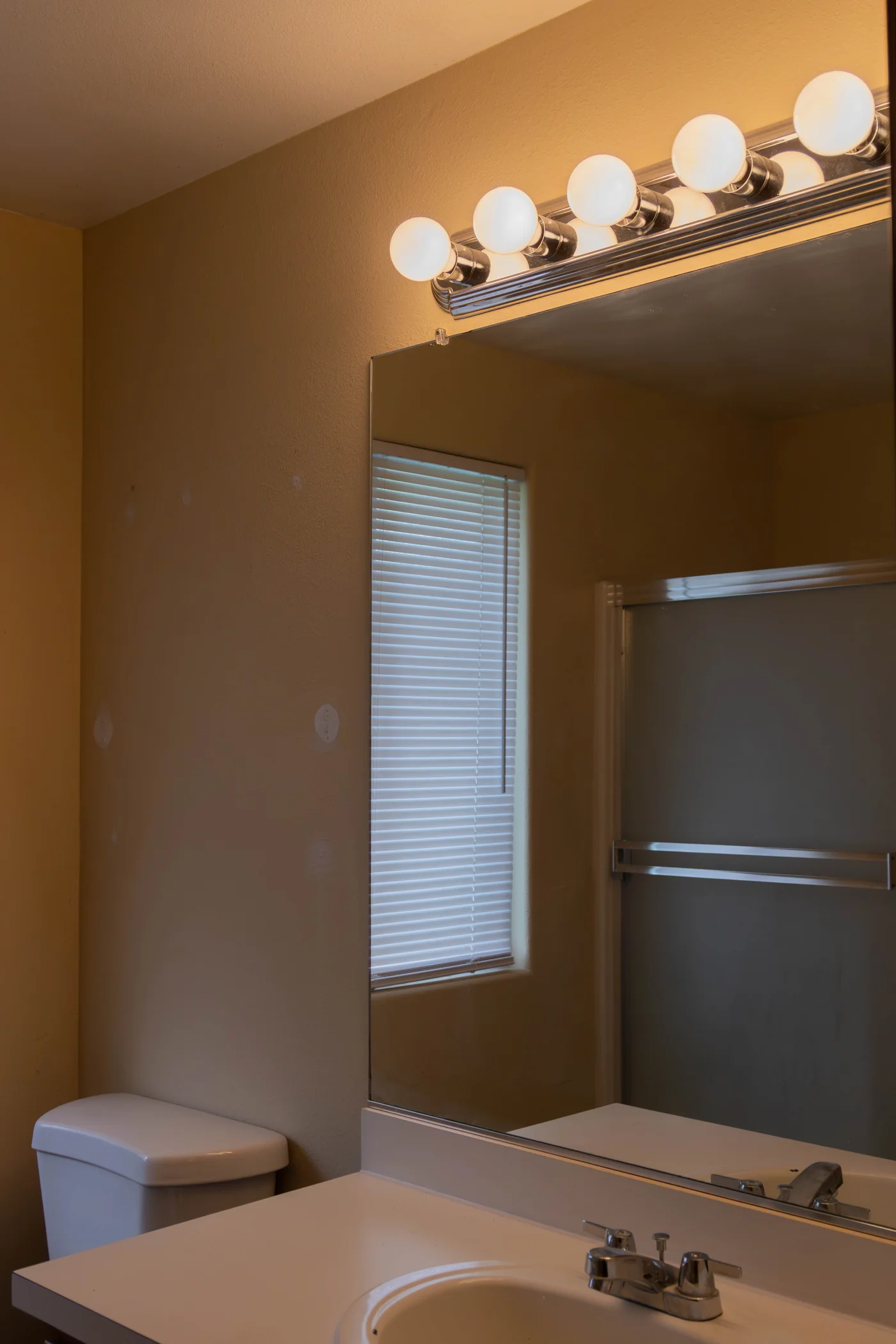
Air and surface checks verify the space is clean before containment comes down. Any repairs are managed through vetted licensed contractors and sister companies.
Between the fall rains and late spring, Vancouver homes stay shut, and the moisture from showers, cooking, and laundry has nowhere to go. Indoor humidity climbs, windows sweat, and closets on an exterior wall stop drying between storms. Growth starts on drywall paper, window trim, and the back of furniture pushed tight against a cold wall. Quiet, and months ahead of anyone noticing.
Plenty of Vancouver houses have a bathroom fan that dumps warm wet air straight into the attic instead of out through the roof or soffit. During a cold stretch that vapor hits the underside of the sheathing and condenses. The sheathing darkens, insulation mats down, and nobody notices until an attic inspection or a stain on the bedroom ceiling.
Subdivisions built through the nineties and two-thousands went up fast, and the details that keep rain out of a wall (kick-out flashing, window pans, proper siding clearance) were the easy things to miss. Wind-driven rain works into the cavity on the weather side, the insulation holds it, and the sheathing feeds growth for years before anything shows on the drywall.
Big firs and maples shade a lot of Vancouver lots, and the north slope of a roof stays damp all winter under moss. Needles and leaves pack the gutters, water sheets over the edge, and the fascia, soffit, and top of the wall take it storm after storm. Mold shows up in an upstairs corner while everyone is still looking for a roof leak.
In Vancouver the growth we find is concentrated in three places: crawl spaces, bathrooms, and attics and roof decks. Each one holds moisture for a different reason, which changes how the work gets scoped.
Most homes here sit over a vented crawlspace on ground that stays damp from fall through spring. That moisture evaporates upward into joists, subfloor, and batt insulation, and the stack effect pulls the resulting air, odor and all, into the rooms above.
Winter showers in a closed-up house put a lot of vapor into a small room. If the fan is weak, poorly ducted, or nobody runs it, that moisture lands on ceiling paint, grout, and the drywall behind a tub surround.
Cold sheathing plus warm indoor air is the whole problem. Air leaks around can lights, the access hatch, and top plates carry humidity up, and shaded roofs on older Vancouver lots keep the deck cold enough to condense it all winter.
Water is how most losses start. It’s rarely where they end. The same local crew handles all of it.
When remediation requires taking out drywall or flooring, we manage the rebuild too. Drag the handle to compare a documented Robinson project.
“We've had the bittersweet opportunity to have Robinson in our lives twice now. First, for a major 3,000 sq ft mold remediation of our crawl space. Then last week, we had an unfortunate flood. I don't know what we would have done without them.”
T Marie C · Google Review
“Chuck and Cole were very professional, courteous and knowledgeable about their restoration skills including close out processes. I'm really happy they were the two employees assigned to our home.”
Joanna Gamble · Google Review
“I want to express our sincere gratitude to the Robinson team that quickly moved to identify, rectify, repair, and then clean up the mess left by an itty-bitty hot water leak that went unnoticed because of its location.”
Michael Quinn · Google Review
In Washington, you choose your restoration contractor, and your carrier can’t penalize you for it. We document every Vancouver loss with moisture maps, photos, and daily readings, then bill your insurer directly. You pay your deductible. That’s it.
Subject to policy coverage and deductible. We handle the paperwork, photos, and adjuster calls.
Searching for mold removal near you usually means you've already found something you don't like, or you smell it and can't locate it. Robinson crews work Vancouver and the rest of Clark County every day, and an inspection is easy to book. We'll tell you what we find, what the work takes, and what your policy is likely to do about it.
Often, yes. That earthy odor comes from active growth, and in Vancouver it's usually somewhere you can't see: under the floor, inside a wall, or above the ceiling. Wiping a visible spot with bleach can knock the smell down for a week without touching what's producing it. An inspection with moisture meters tells you where the wet material is, and that's where the growth lives.
Cleaning treats what grew. It doesn't touch the water that fed it. In Clark County that source is almost always ground moisture through a failed vapor barrier, a downspout dumping next to the foundation, or grade that slopes back toward the house. Remediation without a moisture correction buys you one dry season at best. We correct the source, then remediate, then verify.
Sometimes, and it depends on your policy. Most carriers look at what caused it. Mold that follows a sudden covered water loss, like a burst supply line, often gets some coverage, frequently with a dollar cap written into the policy. Growth traced to long-term seepage, humidity, or deferred maintenance is usually excluded. We document the source and the moisture readings so your adjuster has the facts, and we'll tell you straight what we're seeing before you file.
Not always before. Visible growth with an obvious moisture source doesn't need a lab to confirm it, and paying for a test first can delay the part that matters. Testing earns its money when the growth is hidden, when a tenant or buyer disputes the scope, or when a lender or property manager requires clearance. After remediation we verify air and surfaces before containment comes down, and we can coordinate independent third-party clearance testing if you want it.
Inspection findings come up constantly in the Vancouver market, usually crawlspace or attic growth in a house that's been fine for the owner for years. We inspect, scope the work in writing, and give you a document you can hand to the other agent. Most residential jobs run a few days of containment and drying rather than weeks, and the written verification at the end is what closes it out.
Most Vancouver jobs let you stay. Containment seals the work area with plastic and negative air under HEPA filtration, so the rest of the house keeps its normal air. Larger losses or work in a primary bathroom sometimes make a short stay elsewhere easier. When the drywall, insulation, or flooring has to come out, we manage the repairs through vetted licensed contractors and our sister companies, and the same coordinator runs it from containment through the last coat of paint.
Musty smell or visible growth in your Vancouver home? Call for an inspection and a straight answer.
Licensed · Insured · IICRC Certified · Serving Washington & Oregon