CERTIFIED • LICENSED • INSURED
WA #ROBINRL752MZ · OR CCB# 256698
24/7 Emergency Dispatch | 90-Minute Response
24/7 Seattle Dispatch

Mold Remediation in Seattle, WA

Moisture source found and fixed
Air tested clean before we call it done
We bill your insurance directly
1,000+ 5-Star Reviews
Seattle Mold Inspection
90 MIN
On-Site Response
24/7
Emergency Dispatch
1,000+
5-Star Reviews
IICRC
Certified Crews
Robinson Restoration technician setting drying equipment on a water loss
90 min
On-Site Response
Certified
IICRC
S500 Standard
Local Experts

Mold Remediation Built for Seattle

Robinson Restoration is an IICRC-certified mold remediation company serving Seattle, WA. We find the moisture source first, contain the work area with negative air and HEPA filtration, remove what the water damaged, and verify the space is clean before the containment comes down.

Musty air in a Seattle house usually starts under the floor or behind a wall, not in plain sight. By the time you smell it in the hallway, the moisture has been feeding it for weeks. Our crews find the source, contain the area, and remove the growth without spreading spores through the rest of the house.

Rain lands here from October through April, and the air between storms stays damp enough that nothing dries out on its own. Older bungalows sit over vented crawl spaces with dirt floors. Post-war and midcentury houses have bath fans, insulation, and roof venting that were never meant to move this much moisture. Under most of the city sits glacial till, which drains slowly and keeps the soil beneath a house saturated from one storm to the next.

An inspection comes first: moisture meters, a look at the crawl space and attic, and a hunt for whatever is still wet. We seal the work area, run negative air with HEPA filtration, and correct the moisture source so the problem doesn't come back. Air and surface verification happens before containment comes down. Our Kent operations center dispatches crews across King County, and every step gets photographed and written up for your carrier.

True 24-Hour Service
Direct Insurance Billing
IICRC Certified
How We Respond

Inspect. Contain. Clear.

Mold work moves in order, and skipping the moisture source is why so much of it grows back in the same spot.

Robinson Restoration technician documenting damaged contents during the initial assessment
Phase 1

Inspect.

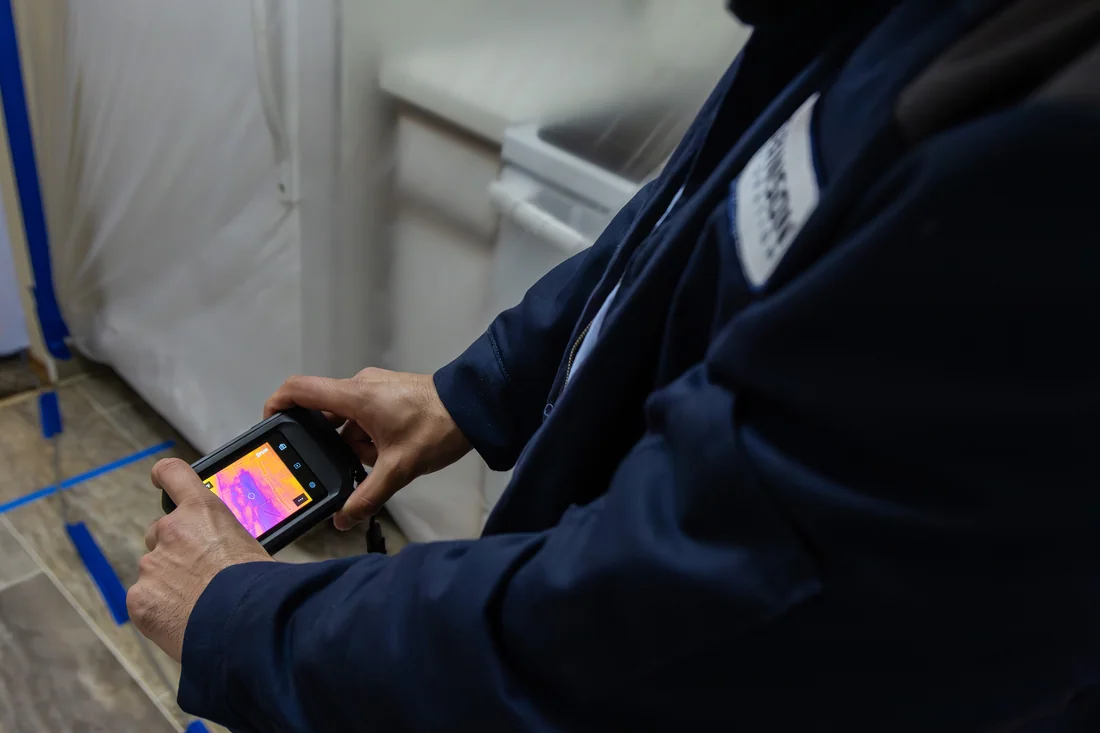
We start with moisture readings and thermal imaging to find the source and map how far growth has spread. Mold you can see is rarely all of it.

Robinson Restoration technician setting drying equipment on a water loss
Phase 2

Contain.

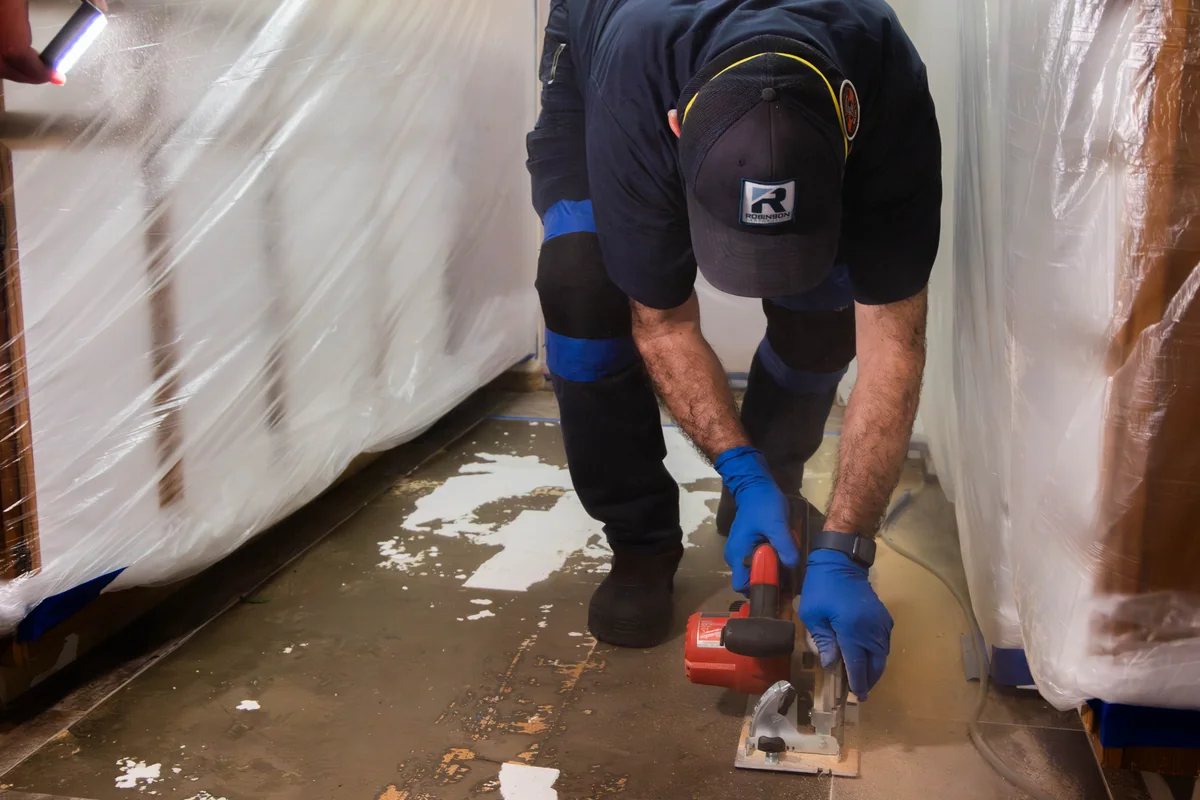
Plastic containment and negative air with HEPA filtration go up before removal starts, so spores never travel to clean rooms while we work.

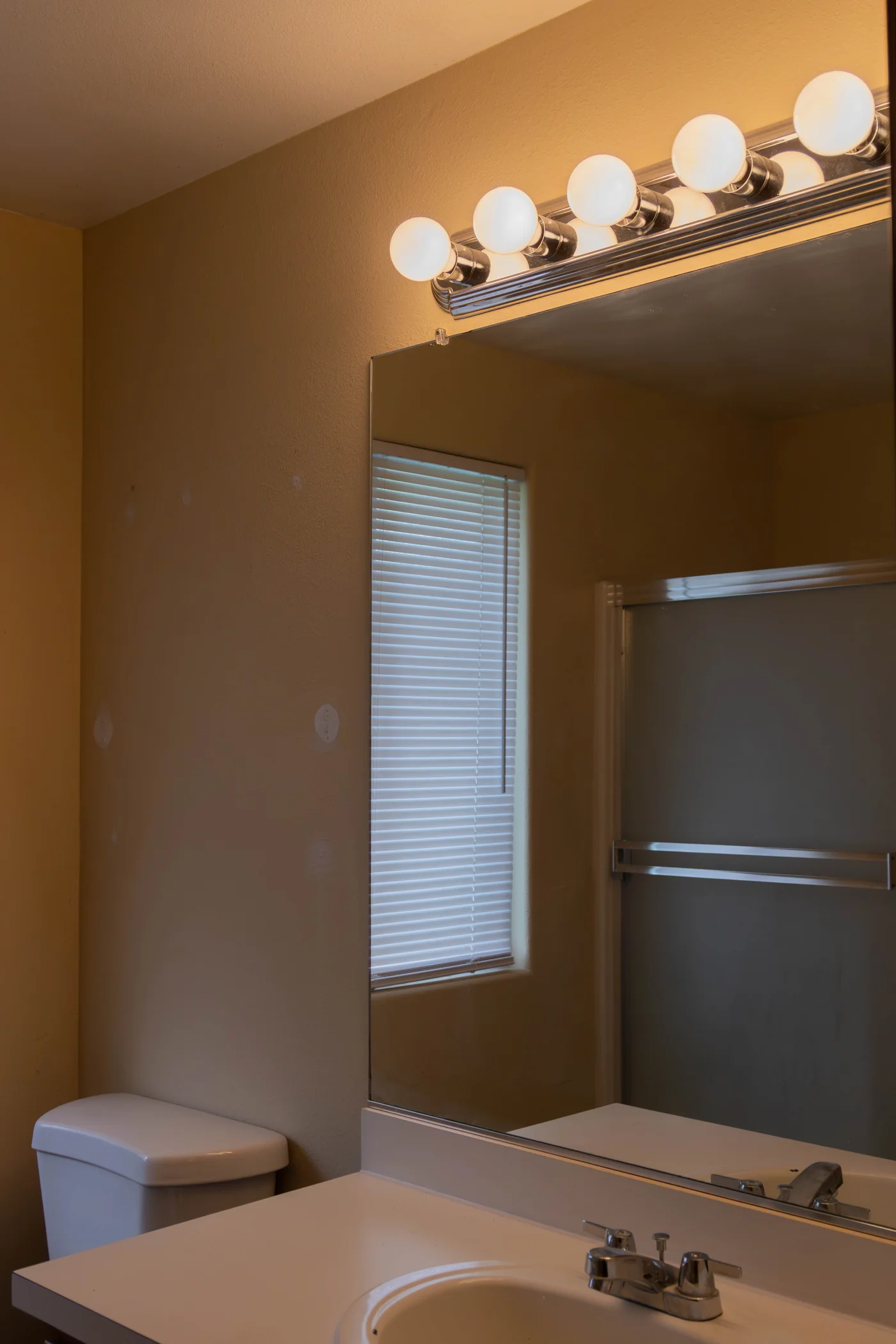
Finished bathroom after a Robinson Restoration managed rebuild
Phase 3

Clear.

Air and surface checks verify the space is clean before containment comes down. Any repairs are managed through vetted licensed contractors and sister companies.

Local Knowledge

Why Seattle Calls Robinson

Crawl Spaces That Never Dry Out

Most older Seattle homes sit over a vented crawl space with a dirt floor and a plastic vapor barrier that has torn, shifted, or was never sealed at the edges. Groundwater sits in the till below, vents pull damp air in all winter, and the underside of the subfloor and joists carries growth long before anyone looks.

The Wet Season Indoors

From late fall to spring, windows stay shut and the moisture from showers, cooking, and laundry racks has nowhere to go. Cold exterior walls collect it. Closets on a north wall, the corner behind a dresser, and the back of a headboard are where people usually find the first spots. A two-minute run of the bath fan won't fix a house that has been humid since October.

Rooflines, Gutters, and Wall Cavities

Moss builds on north-facing roof slopes and holds water against the shingles. Gutters fill with fir and maple debris, then overflow behind the fascia. Old brick chimney flashing opens up. None of that shows inside right away, so the sheathing and the top of a wall cavity stay wet through the season and mold takes hold where nobody can see it.

Old Houses, New Insulation

Plenty of Ballard and Wallingford homes have been tightened up over the years with new windows, blown-in insulation, and sealed siding, all on a shell built to breathe. Water vapor that used to leak out now sits in the wall. Remodels done in phases leave the same gap, and we usually find the growth where new work meets original framing.

What We See in Seattle

Where Does Mold Show Up in Seattle Homes?

In Seattle the growth we find is concentrated in three places: bathrooms, windows and exterior walls, and attics and roof decks. Each one holds moisture for a different reason, which changes how the work gets scoped.

Bathrooms

Older Seattle bathrooms often have an undersized fan, or one that vents into the attic instead of outside. Steam settles on cold tile and the wall behind the surround, and grout and caulk lines darken first.

Windows & Walls

Single-pane wood sash and 1970s aluminum frames sweat every cold morning here. Water runs down onto the stool and sill, soaks into paint and old putty, and the black line along the bottom edge shows up by December.

Attics & Roof Decks

Bath and kitchen fans that dump into the attic, plus soffit vents packed shut with insulation, leave warm wet air sitting under a cold roof deck. Frost forms, melts, and the north side of the sheathing goes dark.

Every Restoration Service, One Seattle Call

Water is how most losses start. It’s rarely where they end. The same local crew handles all of it.

Documented Results

After Clearance, a Managed Rebuild

When remediation requires taking out drywall or flooring, we manage the rebuild too. Drag the handle to compare a documented Robinson project.

Bathroom Rebuild before restoration
Bathroom Rebuild after restoration
Before
After
Bathroom Rebuild · A Robinson Managed Rebuild
Real Customer Reviews

1,000+ Five-Star Reviews

5.0 on Google
“

“We've had the bittersweet opportunity to have Robinson in our lives twice now. First, for a major 3,000 sq ft mold remediation of our crawl space. Then last week, we had an unfortunate flood. I don't know what we would have done without them.”

T Marie C · Google Review

“

“Chuck and Cole were very professional, courteous and knowledgeable about their restoration skills including close out processes. I'm really happy they were the two employees assigned to our home.”

Joanna Gamble · Google Review

“

“I want to express our sincere gratitude to the Robinson team that quickly moved to identify, rectify, repair, and then clean up the mess left by an itty-bitty hot water leak that went unnoticed because of its location.”

Michael Quinn · Google Review

Insurance, Handled

$0 Out of Pocket on Covered Claims

In Washington, you choose your restoration contractor, and your carrier can’t penalize you for it. We document every Seattle loss with moisture maps, photos, and daily readings, then bill your insurer directly. You pay your deductible. That’s it.

Subject to policy coverage and deductible. We handle the paperwork, photos, and adjuster calls.

SAFECO
STATE FARM
ALLSTATE
FARMERS
NATIONWIDE
USAA

Looking for Mold Removal Near Me in Seattle?

Robinson Restoration crews work Seattle every week, from Capitol Hill apartments to Green Lake bungalows and the newer townhouse rows in between. You get an inspection with moisture readings before anyone quotes a scope, containment and HEPA filtration during the work, and verification before we call it done. Call day or night and we'll set up a time to look at it.

Our Seattle-Area Office

Robinson Restoration - Seattle

Frequently Asked

Seattle Mold Questions

Why does my house smell musty in Seattle every winter and fine in August?

Because the moisture load changes with the season. From October on, outdoor humidity stays high, the ground under the house is saturated, and warm indoor air carries vapor into cold assemblies where it condenses. Dry summer weeks let those materials give the water back, so the smell fades. Growth doesn't leave when the odor does, and it starts up again with the first stretch of real rain.

It depends on the policy and on what caused it. Many carriers will pay when mold follows a sudden covered water loss, like a burst supply line, and many of those same policies cap the mold portion at a set dollar amount. Long-term seepage, deferred maintenance, and humidity problems are usually excluded. We can't promise coverage, so we document the cause, the moisture readings, and the scope, then send the file to your adjuster and let the policy answer.

Testing isn't always necessary. If growth is visible and the source is obvious, sampling mostly confirms what a meter and a flashlight already showed. Testing earns its keep when the odor has no visible source, when a tenant or buyer needs documentation, or when someone in the house has air quality concerns. For clearance testing we partner with independent industrial hygienists instead of grading our own work, and containment stays up until air and surface results come back acceptable.

Often, yes. Air moves upward through a house, and what leaves through the attic and upper windows gets replaced by air pulled from below. Gaps around plumbing penetrations, duct chases, and the floor perimeter are the path. That's why a Rainier Valley or Wedgwood homeowner can smell the crawl space in a hallway closet without ever opening the hatch. Sealing the ground and correcting the moisture matters as much as cleaning the joists.

You can knock down what you see on a hard surface, and it will come back if the material stayed wet. Bleach is mostly water, which is the last thing porous drywall or framing needs. Stain-blocking paint hides a spot for a season, then the discoloration bleeds through. Real remediation removes the affected material under containment, treats what stays, and fixes the leak, the venting, or the ground moisture that fed it.

Get the scope and the paperwork moving, since closing dates rarely wait. We inspect, write a scope the other party's agent and inspector can actually read, and give you a schedule. A contained crawl space or bathroom job often runs a few days, with drying and clearance testing on top. If drywall, flooring, or trim has to be replaced, we manage that rebuild through vetted licensed contractors and our sister companies so one schedule covers the whole thing.

24/7 Emergency Dispatch · Live Now

Seattle Mold Problem?

Smelling something musty in your Seattle home? Get it inspected before the wet season makes it worse.

Licensed · Insured · IICRC Certified · Serving Washington & Oregon