Robinson Restoration is an IICRC-certified water damage restoration company serving North Bend, WA. Crews dispatch 24 hours a day, arrive on-site in 90 minutes or less, document the readings and photos your carrier needs, and bill your insurance directly on covered claims.
Living under Mount Si means living with weather that arrives all at once. North Bend catches rain the lowlands never see, and the valley floor answers within hours. When water gets into your house, Robinson's dispatch line is staffed around the clock and extraction starts on the first visit.
Three forks of the Snoqualmie come together near this town, and the upper valley is one of the most flood-prone stretches in King County. Rain-on-snow events do the damage: warm December rain lands on Cascade snowpack and the river takes the pasture, then the crawlspaces. Housing runs from old valley farmhouses and cabins to dense subdivisions built in the last thirty years, and the newer ones sit on ground that was flood plain before it was a cul-de-sac.
Robinson keeps live dispatch 24/7, and our Kent crews cover the I-90 corridor into the upper valley through the whole flood season. On arrival we photograph, meter, and scope before equipment goes down, then log readings daily against IICRC S500 standards. Flood water gets treated as category three, which means removal rather than drying for insulation and porous materials. We bill your carrier directly and keep the flood and homeowners documentation separate where both policies are in play.

When the upper valley floods, we staff up and stage equipment for North Bend, because a dozen calls can land in the same afternoon.
24 hours a day, 7 days a week, our crews dispatch the moment you call and start mitigation the same visit. Call dispatch or message us for immediate help.
We stop further damage with commercial extraction, structural drying, and antimicrobial treatment, and we walk you through the entire insurance claim as we work.
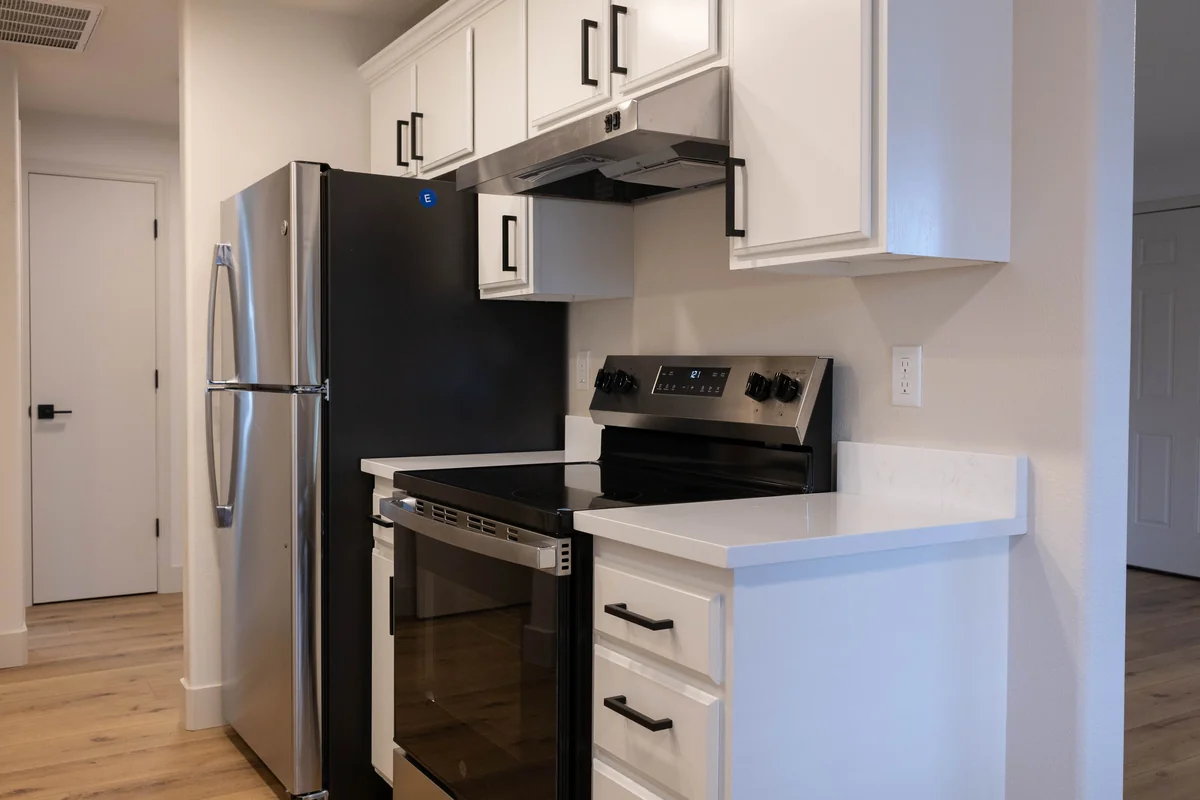
We manage your rebuild to pre-damaged condition through our trusted network of licensed contractors and sister companies. One manager, one timeline.
The upper Snoqualmie rises faster than most rivers in this state, and it does not need a record storm to do it. Water reaches crawlspaces and lower levels through vents, slab joints, and garage thresholds while the road out front is still passable. Flood water is contaminated, so insulation, vapor barrier, drywall, and flooring at the wet line get removed and replaced rather than dried.
The events that hurt North Bend are not the cold ones. A warm atmospheric river arrives, dumps on existing snowpack, and every drainage off Mount Si and the surrounding ridges delivers at once. Hillside properties get sheet flow across ground that was frozen the day before. We treat these as a different loss type than a plumbing failure, because the water arrives from every direction.
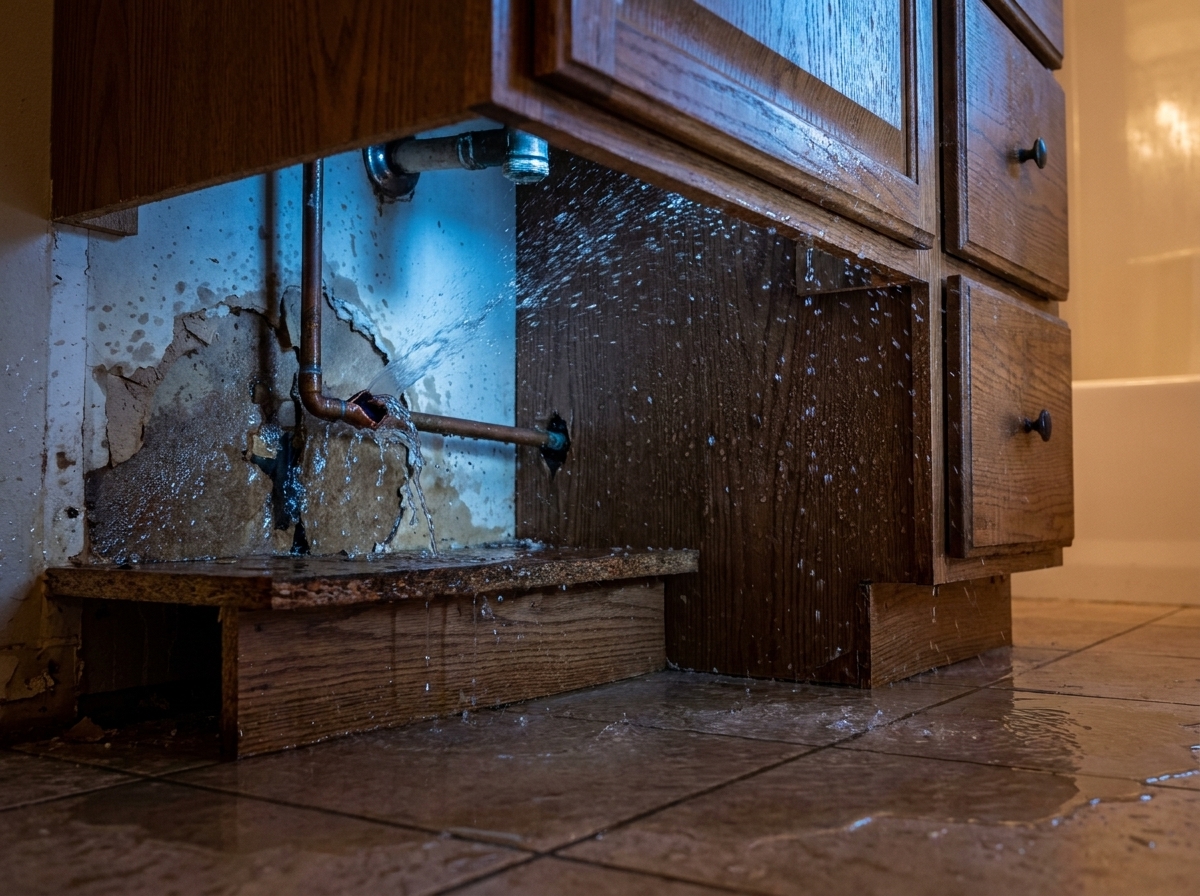
The upper valley holds a lot of property that is not occupied year-round: cabins, weekend places, and rentals between guests. Heat gets turned down, a cold snap follows a wet week, and a line splits with nobody there. Water runs until someone shows up. Those are the losses where a floor system is gone rather than a section of drywall, and they are entirely preventable with a main shutoff.
North Bend built a lot of houses in the last three decades, much of it on ground the river used to reach. Modern construction, engineered fill, and stormwater vaults help, and they do not eliminate a high winter water table under a slab. Newer homes here still get water at the garage slab and in the crawlspace. Elevation certificates and flood zone status drive how a claim gets paid.
Most of the losses we run in North Bend start one of three ways: flooding and groundwater, frozen and split pipes, and roof and storm leaks. Here is why each one happens here, and what it takes to dry it properly.
Three forks of the Snoqualmie converge near North Bend, and rain-on-snow events push the river out onto low ground within hours. Crawlspaces and garages take silt-laden water that has to be removed, not dried.
Cabins and second homes in the upper valley sit empty through cold snaps with the heat turned down. A split line runs unattended for days, and the discovery usually comes long after the floor system is soaked.
North Bend gets real snow, and snow that melts and refreezes at the eaves builds ice dams. Meltwater backs up under the shingles and into the attic, then shows up on a ceiling once the weather warms.
Water is how most losses start. It’s rarely where they end. The same local crew handles all of it.
Three real projects, photo-documented for the insurance carrier. Drag each handle to compare.
“I want to express our sincere gratitude to the Robinson team that quickly moved to identify, rectify, repair, and then clean up the mess left by an itty-bitty hot water leak that went unnoticed because of its location.”
Michael Quinn · Google Review
“Kyla and Jake were super friendly and knowledgeable. Jake was at my house 90 minutes after I called and did a free inspection. I won't need their services this time, but I will definitely call them if I ever have to deal with water damage.”
Carmen Otten · Google Review
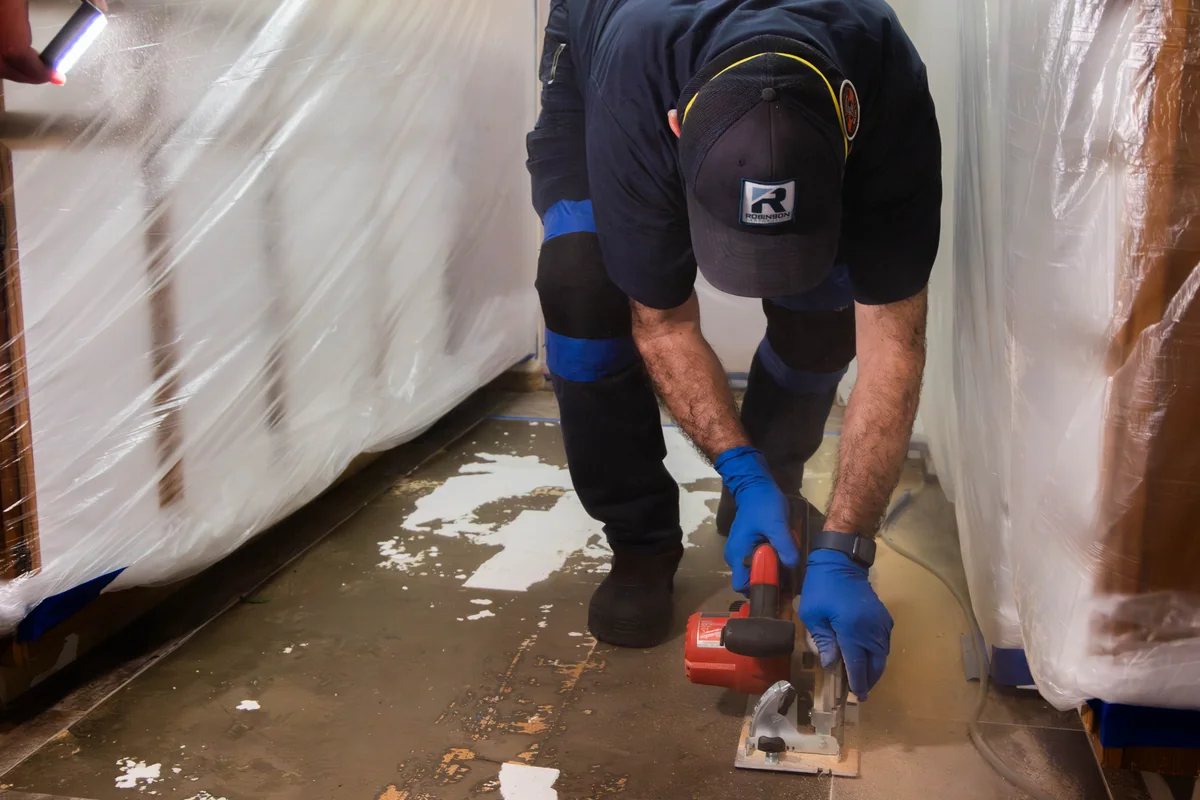
“Had a leak in our wall and our plumber recommended Robinson Restoration to handle remediation of the water damage. Christian and Adolfo were awesome. Great communication throughout the setup of the containment area and installation of the equipment to start the drying process.”
Won Lee · Google Review
In Washington, you choose your restoration contractor, and your carrier can’t penalize you for it. We document every North Bend loss with moisture maps, photos, and daily readings, then bill your insurer directly. You pay your deductible. That’s it.
Subject to policy coverage and deductible. We handle the paperwork, photos, and adjuster calls.
Robinson keeps a crew working the Snoqualmie Valley, North Bend included. Pick up the phone at 2 a.m. and someone answers. Dispatch never goes to voicemail. Techs arrive with truck-mounted extraction, air movers, dehumidifiers, and meters to map how far the water traveled. Snowmelt off Mount Si and river-valley humidity make slow drying a real risk. Billing goes straight to your insurer.
Almost certainly not. Rising surface water is excluded from standard homeowners coverage nationwide, which is why so many North Bend properties carry separate flood insurance. If your loss came from the river, the flood policy responds. If it came from a broken pipe, a failed appliance, or a roof failure, your homeowners policy does. We document the source precisely, because that single determination decides which claim you file.
Yes, and this is the mistake that costs North Bend homeowners the most. Flood water leaves silt, bacteria, and saturated insulation behind after it recedes. A crawlspace that looks empty two days later still has wet joists, a soaked vapor barrier, and organic material feeding mold. We pump, remove, treat, and dry to verified readings, then document it so the file is clean if you sell later.
We plan for it. During flood events in the upper valley our dispatchers track closures and route crews accordingly, and we stage equipment for North Bend ahead of forecast storms rather than reacting after the fact. Call as soon as you have water, even if you think we cannot get there yet. Getting into the queue early matters more than anything else you can do.
Shut the water off at the main every time you leave, and drain the lines before winter if the place will sit unheated. Most catastrophic losses on North Bend second homes start with a split line running for days. If you have a caretaker or neighbor checking in, give them the shutoff location. Our worst jobs in the upper valley are almost always discovery-delay jobs.
By measurement. We establish a dry standard from unaffected material in the same North Bend structure, then take readings on the wet materials every day until they match. Air temperature and relative humidity get logged alongside. Equipment comes out when the numbers say so, which in a valley crawlspace usually takes longer than a homeowner expects. You get the full reading log with the file.
Robinson manages reconstruction through vetted licensed contractors and sister companies. On a North Bend flood job the rebuild usually covers crawlspace insulation and vapor barrier, subfloor sections, drywall to the cut line, and flooring, all scoped from the documentation we produced during mitigation. One point of contact carries it from the first pump to the last coat of paint, and your adjuster works from a single file.
The upper valley does not wait for business hours. Call and a North Bend crew gets dispatched.
Licensed · Insured · IICRC Certified · Serving Washington & Oregon